 Home
Home Partners
 Clients
 Career
 Contact Us
How to Start a Successful eCommerce Dropshipping Business in India?
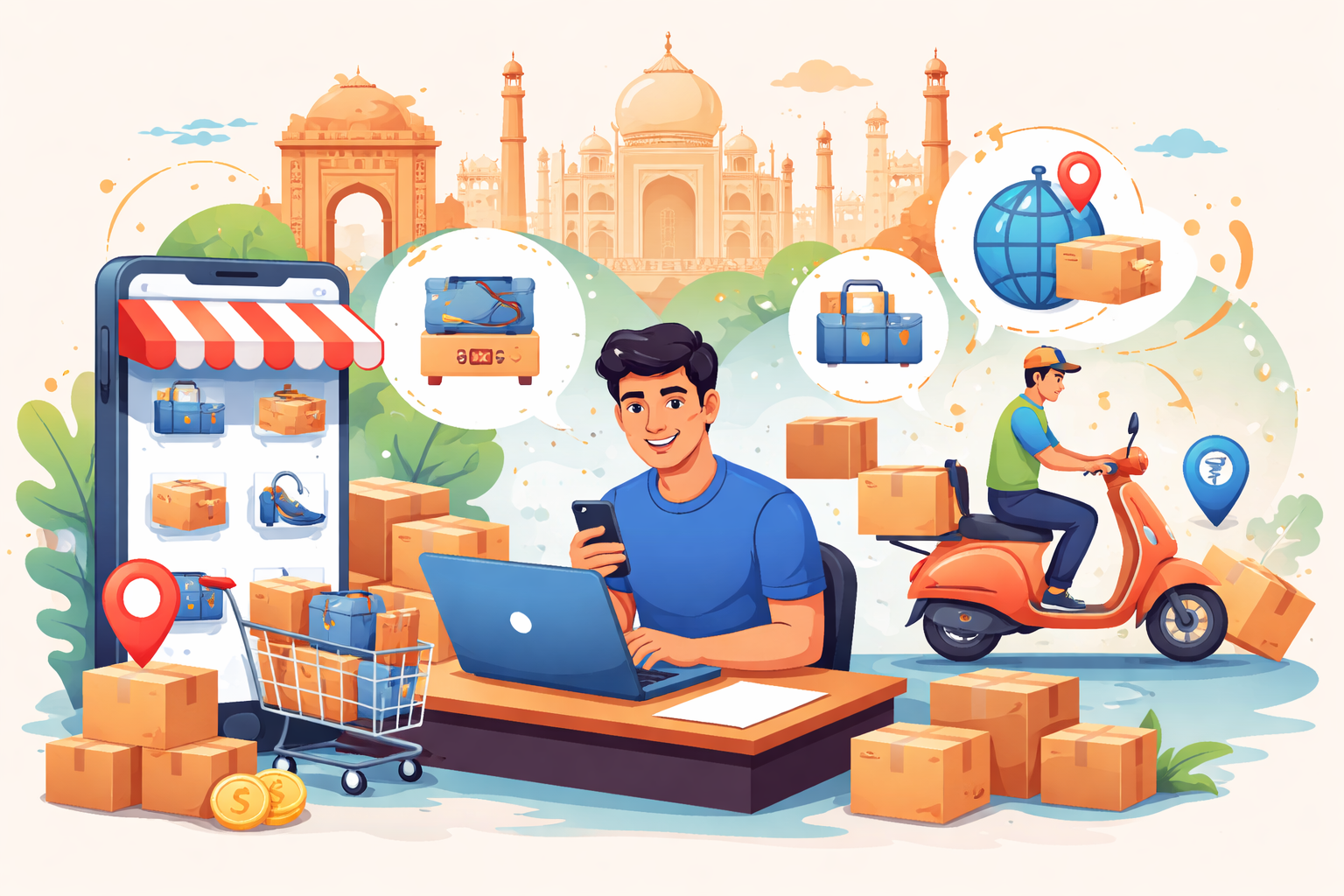
The rise of eCommerce in India has opened the door for aspiring entrepreneurs to start online businesses with minimal investment. Among the various business models available, dropshipping has emerged as one of the most accessible and beginner-friendly options. It eliminates the need for inventory management, warehousing, and large upfront capital, making it ideal for individuals looking to enter the online marketplace with limited resources.
In this comprehensive guide, we will walk you through everything you need to know about starting a successful dropshipping business in India—from understanding the basics to scaling your store profitably.
What is Dropshipping?
Dropshipping is a retail fulfillment method where the store owner does not keep products in stock. Instead, when a customer places an order, the store purchases the item from a third-party supplier who then ships it directly to the customer. This means you act as a middleman, focusing on marketing and customer experience while the supplier handles logistics.
Why Choose Dropshipping in India?
India presents a unique opportunity for dropshipping businesses due to several factors:
- Growing Internet Penetration: With millions of users shopping online, the demand for eCommerce continues to rise.
- Low Startup Costs: No need for inventory or warehousing reduces initial investment.
- Flexible Location: You can run your business from anywhere.
- Wide Product Variety: You can sell products across multiple niches without stocking them.
Step-by-Step Guide to Starting a Dropshipping Business in India
Step 1: Choose a Profitable Niche
Selecting the right niche is crucial for success. Instead of selling everything, focus on a specific category that has demand but relatively low competition.
Tips for choosing a niche:
- Look for trending products on social media platforms.
- Solve a specific problem (e.g., fitness accessories, home organization).
- Avoid overly saturated markets unless you have a unique angle.
- Ensure the products have good profit margins.
Step 2: Conduct Market Research
Before diving in, validate your niche and product ideas. Analyze competitors, pricing strategies, and customer preferences.
Key research methods:
- Use keyword research tools to identify demand.
- Study competitor websites and reviews.
- Check social media engagement and trends.
Understanding your target audience will help you tailor your marketing strategy effectively.
Step 3: Find Reliable Suppliers
Suppliers play a critical role in your dropshipping business. Your success largely depends on product quality, shipping time, and reliability.
Where to find suppliers:
- Indian wholesale marketplaces
- Global platforms like AliExpress
- Dedicated dropshipping platforms
What to look for:
- Positive reviews and ratings
- Fast shipping options to India
- Clear return and refund policies
- Good communication and support
Step 4: Set Up Your Online Store
Creating a professional and user-friendly website is essential for building trust and driving sales.
Steps to set up your store:
- Choose an eCommerce platform (Shopify, WooCommerce, etc.)
- Register a domain name relevant to your niche
- Design your website with a clean layout
- Add high-quality product images and descriptions
- Set up secure payment gateways (UPI, cards, wallets)
Make sure your website is mobile-friendly, as a large portion of Indian users shop via smartphones.
Step 5: Pricing Strategy and Profit Margins
Your pricing strategy should cover product costs, shipping fees, platform charges, and still leave room for profit.
Common pricing methods:
- Cost-plus pricing (adding a fixed margin)
- Competitive pricing (matching or slightly undercutting competitors)
- Value-based pricing (charging based on perceived value)
Aim for a balance between affordability and profitability.
Step 6: Legal Requirements in India
While dropshipping is relatively easy to start, you must comply with legal regulations in India.
Basic requirements include:
- GST registration (if applicable)
- Business registration (sole proprietorship, LLP, etc.)
- Current bank account for transactions
- Terms & conditions and privacy policy on your website
Following legal norms builds credibility and protects your business in the long run.
Step 7: Marketing Your Dropshipping Store
Marketing is the backbone of your business. Without visibility, even the best products won’t sell. With the right strategy and execution, Yuvmedia helps you reach your target audience, improve brand visibility, and generate consistent sales through result-driven digital marketing solutions.
Effective marketing strategies:
- Social Media Marketing: Promote products on Instagram, Facebook, and other platforms.
- Influencer Marketing: Collaborate with influencers in your niche.
- Search Engine Optimization (SEO): Optimize your website to rank on Google.
- Paid Advertising: Use Facebook Ads and Google Ads to target potential customers.
- Email Marketing: Build a list and nurture leads with offers and updates.
Consistency and experimentation are key to finding what works best for your audience.
Step 8: Focus on Customer Experience
Customer satisfaction can make or break your business. Since you don’t control shipping directly, communication becomes even more important.
Ways to improve customer experience:
- Provide clear shipping timelines
- Offer easy returns and refunds
- Respond quickly to customer queries
- Send order updates and tracking details
Happy customers are more likely to return and recommend your store.
Step 9: Manage Orders and Operations
Efficient order management ensures smooth business operations.
Key aspects:
- Automate order processing wherever possible
- Keep track of inventory availability with suppliers
- Monitor delivery timelines
- Handle returns and complaints professionally
Using automation tools can save time and reduce errors.
Step 10: Scale Your Business
Once your store starts generating consistent sales, it’s time to scale.
Scaling strategies:
- Expand your product range
- Increase ad budget for high-performing campaigns
- Build a brand identity
- Create a loyal customer base
- Explore private labeling opportunities
Scaling requires reinvestment and strategic planning, but it significantly boosts revenue.
Common Challenges in Dropshipping
While dropshipping offers many advantages, it also comes with challenges:
- Long Shipping Times: Especially with international suppliers
- Quality Control Issues: You rely on suppliers for product quality
- High Competition: Many sellers may offer similar products
- Low Margins Initially: Requires smart pricing and marketing
Understanding these challenges helps you prepare and mitigate risks effectively.
Tips for Success
- Focus on branding rather than just selling products
- Test multiple products before committing
- Invest in high-quality creatives (images/videos)
- Build trust with transparent policies
- Stay updated with market trends
Consistency and patience are essential. Success rarely happens overnight.
Conclusion
Starting a dropshipping business in India is an excellent opportunity for aspiring entrepreneurs looking to enter the eCommerce space with minimal investment. By choosing the right niche, working with reliable suppliers, building a professional online store, and implementing effective marketing strategies, you can create a profitable and scalable business.
While challenges exist, they can be overcome with careful planning, continuous learning, and a customer-centric approach. With dedication and the right strategy, dropshipping can become a sustainable source of income and a stepping stone to larger business ventures.
Now is the perfect time to take advantage of India’s growing digital economy and start your dropshipping journey. The sooner you begin, the quicker you’ll learn, adapt, and succeed.