 Home
Home Partners
 Clients
 Career
 Contact Us
Meta Ads Guide: Functions, Benefits & Proven Tactics
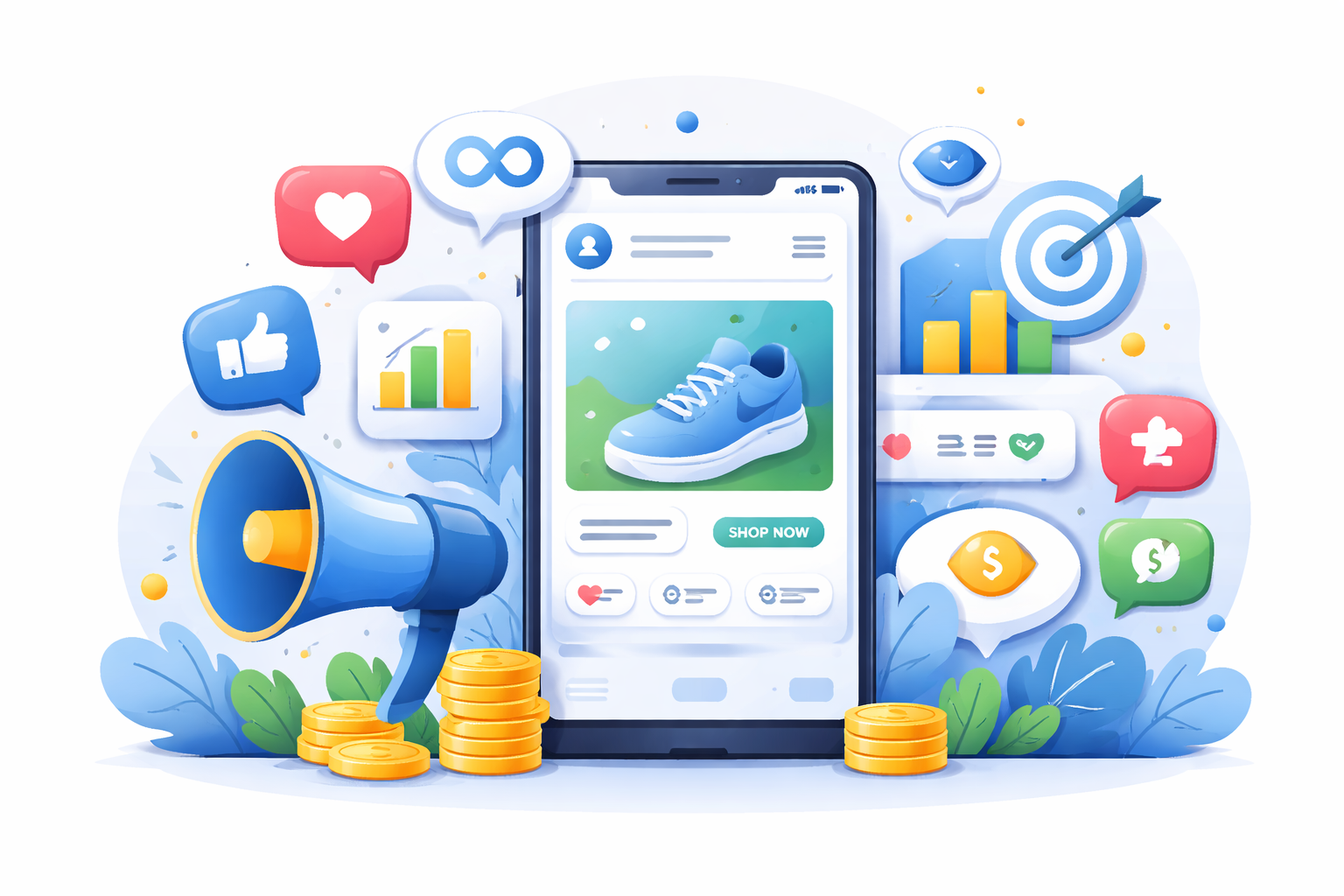
In today’s digital-first world, businesses of all sizes are constantly seeking effective ways to reach their target audience and maximize their advertising spend. Meta Ads, formerly known as Facebook Ads, have emerged as one of the most powerful tools for digital marketers, offering a range of functions, benefits, and strategies that can transform campaigns and boost ROI. Whether you are a small business owner looking to grow your brand or a seasoned marketer aiming to refine your ad strategy, understanding Meta Ads is crucial to success in the digital marketplace.
Understanding Meta Ads: Functions and Features
Meta Ads operate across Meta’s family of platforms, including Facebook, Instagram, Messenger, and Audience Network. They provide advertisers with an expansive ecosystem where reaching potential customers is not just possible—it’s precise. The core functions of Meta Ads include:
Targeted Audience Reach
One of Meta Ads’ standout features is its ability to target users based on demographics, interests, behaviors, and location. Whether you’re promoting a local coffee shop or a global SaaS product, the platform’s advanced targeting ensures your ads reach the most relevant audience.
Diverse Ad Formats
Meta Ads supports a wide variety of ad formats, including image ads, video ads, carousel ads, slideshow ads, and more. Each format serves a specific marketing objective, whether it’s building brand awareness, driving website traffic, generating leads, or boosting sales.
Custom Audiences and Lookalike Audiences
Advertisers can leverage existing customer data to create custom audiences, ensuring ads are served to people who already show interest in their brand. Lookalike audiences take it further by finding new potential customers who share similar traits with your best existing customers.
Budget Flexibility
Meta Ads caters to businesses with varying budget capacities. Whether you are working with a small daily budget or managing large-scale campaigns, the platform offers flexible bidding and budget optimization options.
Advanced Analytics
One of Meta Ads’ greatest strengths is its robust analytics. Advertisers can track ad performance in real-time, understand audience behavior, and make>Benefits of Using Meta Ads
The power of Meta Ads extends beyond its technical features. Businesses that utilize the platform effectively can enjoy a variety of benefits that significantly impact growth and profitability:
Enhanced Brand Awareness
Meta Ads allow brands to reach millions of potential customers, increasing visibility and recognition. Creative visuals and engaging messaging help brands stand out in crowded markets.
Cost-Effective Advertising
Compared to traditional advertising channels, Meta Ads often offer a lower cost per impression or click. This efficiency enables even small businesses to compete with larger competitors without breaking the bank.
Improved Conversion Rates
By targeting users who are most likely to engage, Meta Ads can drive higher conversion rates. Retargeting strategies further enhance this benefit by reconnecting with users who have interacted with your brand but haven’t completed a purchase.
Scalable Campaigns
Meta Ads are highly scalable, making them suitable for businesses at any stage of growth. You can start small, test your ads, and gradually increase your budget as performance improves.
>With access to detailed insights and analytics, businesses can refine their marketing strategies, test different creatives, and identify which campaigns yield the best results.
Proven Tactics for Meta Ads Success
Creating successful Meta Ads campaigns requires more than just running ads; it involves strategy, creativity, and constant optimization. Here are some proven tactics to elevate your campaigns:
Define Clear Objectives
Before launching any campaign, it’s essential to identify your goal—whether it’s increasing website traffic, generating leads, or boosting sales. Meta Ads provides campaign objectives that align with different business goals, ensuring your strategy is focused and measurable.
Segment Your Audience
Effective targeting is about precision. Segment your audience based on demographics, interests, purchase behavior, or past engagement. Using custom and lookalike audiences can help reach high-potential prospects.
Leverage Compelling Creatives
Visual content is crucial on platforms like Facebook and Instagram. High-quality images, engaging videos, and interactive elements like polls or carousels can dramatically improve ad performance.
Implement Retargeting Campaigns
Not every user converts on their first interaction. Retargeting ads allow you to reconnect with users who have visited your website, added items to a cart, or engaged with previous content—nudging them closer to conversion.
A/B Testing for Optimization
Continuous testing of ad creatives, copy, and targeting options helps identify what resonates most with your audience. Small adjustments can significantly improve click-through rates, engagement, and ROI.
Monitor and Adjust Budgets
Use Meta Ads Manager to monitor campaign performance and adjust budgets based on results. Allocate more budget to high-performing campaigns while pausing or optimizing underperforming ones.
Stay Updated on Platform Changes
Meta frequently updates its algorithms, targeting capabilities, and ad policies. Staying informed ensures your campaigns remain compliant and effective.
Use Analytics for Insightful Decisions
Meta Ads Manager provides insights into impressions, clicks, conversions, and audience behavior. Analyzing this data helps fine-tune campaigns, improve targeting, and maximize ROI.
Common Mistakes to Avoid
Even experienced marketers can stumble if they overlook key considerations. Avoiding these common mistakes can save time and money:
- Neglecting Audience Research: Skipping detailed audience research often leads to wasted ad spend on irrelevant users.
- Overloading Ads with Text: Ads with excessive text can reduce reach and engagement due to Meta’s ad guidelines.
- Ignoring Mobile Optimization: A large portion of Meta users access platforms via mobile devices. Ads not optimized for mobile may underperform.
- Focusing Only on Clicks: Clicks alone don’t guarantee conversions. Align metrics with business goals for meaningful results.
Conclusion
Meta Ads offer an unparalleled opportunity to connect with audiences, increase brand awareness, and drive measurable results. By understanding the platform’s functions, leveraging its benefits, and applying proven tactics, businesses can create campaigns that are not only effective but also scalable and cost-efficient. Whether you are just starting or looking to refine your strategy, mastering Meta Ads is an essential step toward thriving in today’s competitive digital landscape.
The key takeaway is that success in Meta advertising doesn’t happen by chance—it requires planning, creativity, data analysis, and ongoing optimization. Businesses that invest time in understanding the platform and applying strategic tactics can reap significant rewards, reaching audiences with precision and converting them into loyal customers.
By following this comprehensive guide, you now have the foundation to implement Meta Ads campaigns confidently, harnessing their full potential to grow your brand and achieve your business objectives.
📂 Categories
- Digital Marketing