 Home
Home Partners
 Clients
 Career
 Contact Us
Top Influencer Marketing Strategies to Grow Your Brand
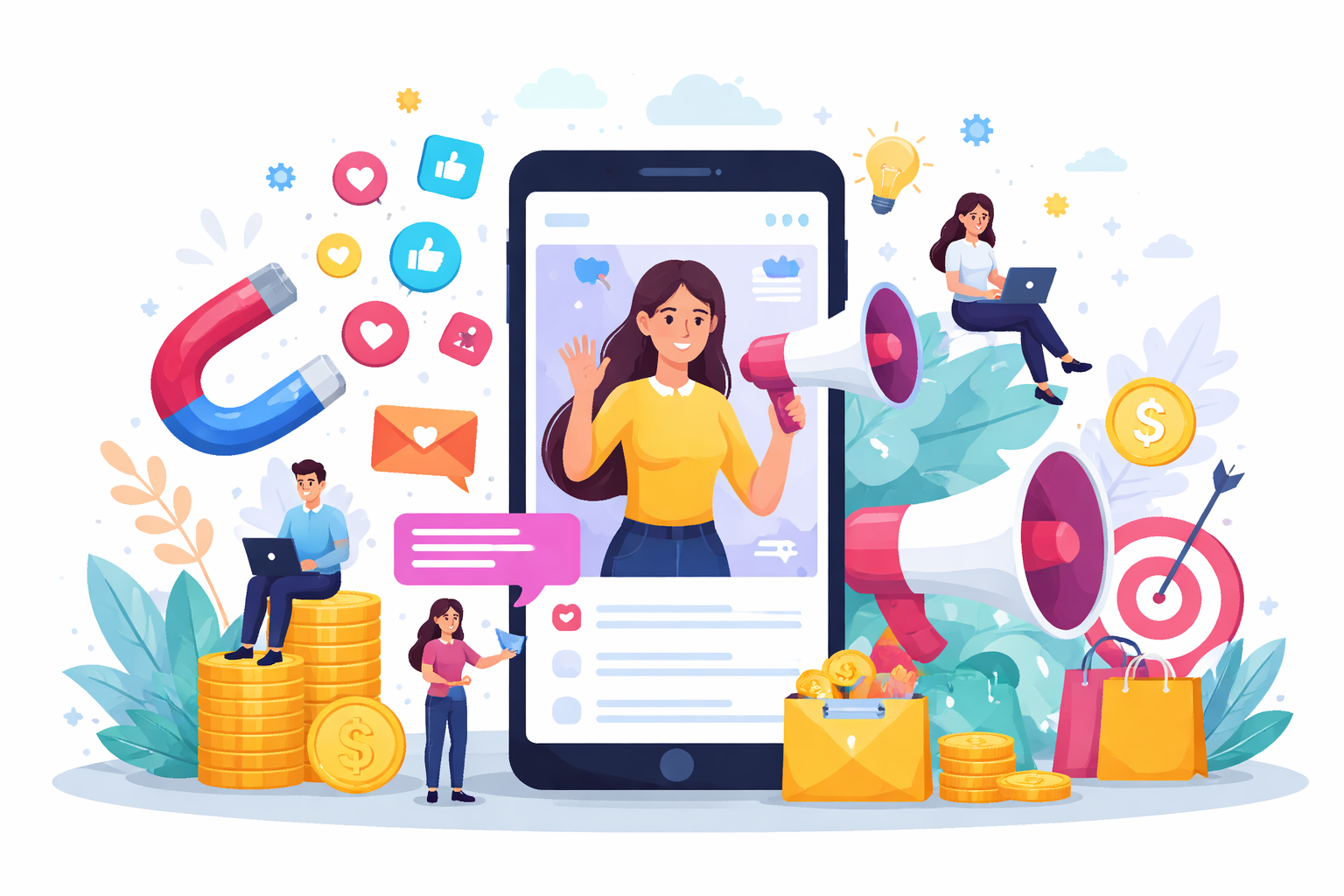
In today’s fast-paced digital world, traditional advertising is no longer enough to capture attention and build trust. Consumers are more informed, more selective, and increasingly skeptical of overt promotional content. This shift has paved the way for influencer marketing—a powerful strategy that leverages the credibility and reach of trusted individuals to promote brands authentically.
Influencer marketing is no longer just a trend; it’s a core component of modern marketing strategies. Whether you’re a startup or an established brand, partnering with the right influencers can significantly boost your visibility, engagement, and sales. However, success doesn’t come from simply collaborating with popular personalities—it requires thoughtful planning, strategic execution, and continuous optimization.
In this blog, we’ll explore the top influencer marketing strategies that can help grow your brand effectively.
Define Clear Goals and KPIs
Before diving into influencer partnerships, it’s essential to establish clear objectives. What do you want to achieve with influencer marketing? Your goals will shape every aspect of your campaign, from the type of influencers you choose to the content you create.
Common goals include:
- Increasing brand awareness
- Driving website traffic
- Generating leads or sales
- Boosting social media engagement
- Launching a new product
Once your goals are defined, align them with measurable Key Performance Indicators (KPIs). For example, if your goal is brand awareness, track impressions, reach, and follower growth. If your focus is sales, monitor conversion rates and revenue generated through influencer links or discount codes.
Clear goals ensure your campaign remains focused and results-driven.
Choose the Right Influencers
Not all influencers are created equal, and selecting the right ones is crucial to your success. Instead of focusing solely on follower count, consider relevance, authenticity, and audience alignment.
Types of influencers:
- Mega-influencers: Celebrities with millions of followers
- Macro-influencers: Established personalities with large audiences
- Micro-influencers: Niche experts with smaller but highly engaged audiences
- Nano-influencers: Everyday users with strong local or community influence
Micro- and nano-influencers often deliver better engagement and trust, making them ideal for brands looking to build genuine connections.
When evaluating influencers, consider:
- Audience demographics
- Engagement rate
- Content quality
- Brand fit
- Past collaborations
A well-matched influencer can communicate your message more effectively than a high-profile but irrelevant one.
Focus on Authenticity and Trust
Modern consumers value authenticity more than polished advertising. Influencer marketing works best when the promotion feels natural and genuine.
Avoid overly scripted campaigns. Instead, give influencers creative freedom to present your product in their own voice and style. Their followers trust them because of their unique personality and perspective—don’t dilute that authenticity.
Encourage influencers to:
- Share personal experiences with your product
- Highlight real benefits and use cases
- Be transparent about partnerships
Authenticity builds trust, and trust drives conversions.
Leverage Multiple Platforms
Different platforms serve different purposes and audiences. To maximize your reach, consider a multi-platform approach.
Popular platforms for influencer marketing:
- Instagram: Ideal for visual storytelling and lifestyle content
- YouTube: Great for in-depth reviews, tutorials, and long-form content
- TikTok: Perfect for viral, short-form, creative videos
- LinkedIn: Effective for B2B marketing and professional audiences
- Twitter/X: Useful for real-time engagement and conversations
Each platform requires a tailored strategy. For example, a TikTok campaign might focus on trends and challenges, while a YouTube collaboration could involve detailed product demonstrations.
Diversifying your platforms helps you connect with different audience segments and reinforces your brand message.
Build Long-Term Relationships
One-off collaborations can generate short-term buzz, but long-term partnerships deliver sustained growth and stronger brand affinity.
When influencers work with your brand consistently, their audience begins to associate them with your products. This repeated exposure builds credibility and reinforces trust.
Benefits of long-term partnerships:
- Consistent brand messaging
- Deeper audience connection
- Improved campaign performance over time
- Better understanding between brand and influencer
Treat influencers as partners, not just promotional tools. Invest in relationships by communicating openly, offering fair compensation, and recognizing their contributions.
Create Compelling and Shareable Content
Content is at the heart of influencer marketing. To stand out in a crowded digital space, your campaigns must be creative, engaging, and shareable.
Effective content strategies include:
- Storytelling: Showcase how your product fits into real-life scenarios
- Tutorials: Demonstrate how to use your product
- Unboxing videos: Highlight first impressions and excitement
- Challenges and trends: Encourage audience participation
- Giveaways: Boost engagement and attract new followers
Collaborate with influencers to brainstorm ideas that resonate with their audience while aligning with your brand identity.
Remember, the goal is not just to promote but to entertain, educate, or inspire.
Use Data to Drive Decisions
Data is your best friend when it comes to optimizing influencer marketing campaigns. Track performance metrics to understand what’s working and what’s not.
Key metrics to monitor:
- Engagement rate (likes, comments, shares)
- Reach and impressions
- Click-through rate (CTR)
- Conversion rate
- Return on investment (ROI)
Use tracking tools, affiliate links, and unique promo codes to measure results accurately. Analyze the data to identify top-performing influencers, content formats, and platforms.
>Incorporate User-Generated Content (UGC)
Influencer campaigns often generate valuable user-generated content that can be repurposed across your marketing channels.
UGC adds authenticity and social proof to your brand. It shows real people using and enjoying your products, which can influence purchasing decisions.
Ways to use UGC:
- Share on your social media profiles
- Feature on your website or product pages
- Include in email marketing campaigns
- Use in paid advertising
Always seek permission and give credit to creators when using their content. This not only builds goodwill but also encourages more users to engage with your brand.
Experiment with Influencer Campaign Formats
To keep your campaigns fresh and effective, experiment with different formats and approaches.
Popular campaign types:
- Product launches
- Brand ambassadorships
- Affiliate marketing programs
- Sponsored content
- Event collaborations
- Takeovers (influencers managing your social accounts temporarily)
Testing various formats helps you discover what resonates most with your audience and delivers the best results.
Stay Compliant and Transparent
Transparency is critical in influencer marketing. Ensure that all partnerships comply with advertising regulations and guidelines.
Influencers should clearly disclose sponsored content using hashtags like #ad or #sponsored. This builds trust with their audience and protects your brand from potential legal issues.
Additionally:
- Provide clear guidelines to influencers
- Use contracts to outline expectations
- Respect platform-specific rules
Ethical practices strengthen your brand reputation and foster long-term success.
Tap into Niche Communities
One of the most effective ways to grow your brand is by targeting niche communities. These audiences are often more engaged and loyal than broader markets.
For example:
- Fitness enthusiasts
- Tech geeks
- Beauty and skincare lovers
- Sustainable living advocates
Influencers within these niches have a deep understanding of their audience’s preferences and can deliver highly relevant content.
By focusing on niche communities, you can achieve higher engagement rates and more meaningful connections.
Align Influencer Marketing with Your Overall Strategy
Influencer marketing should not exist in isolation. Integrate it with your broader marketing efforts for maximum impact.
Combine influencer campaigns with:
- Social media marketing
- Content marketing
- Email campaigns
- Paid advertising
For instance, you can amplify influencer content through paid ads or include it in your email newsletters. This creates a cohesive brand experience and reinforces your messaging across multiple touchpoints.
Conclusion
Influencer marketing has transformed the way brands connect with their audiences. It offers a unique blend of authenticity, reach, and engagement that traditional advertising struggles to match.
However, success requires more than just partnering with popular personalities. It demands a strategic approach—defining clear goals, choosing the right influencers, creating compelling content, and continuously optimizing based on data.
By focusing on authenticity, building long-term relationships, and aligning your campaigns with your overall marketing strategy, you can unlock the full potential of influencer marketing.
As the digital landscape continues to evolve, brands that embrace these strategies will not only grow but thrive in an increasingly competitive market.
📂 Categories
- Digital Marketing